Orbital Logistics
Move payloads and supporting hardware through mission phases with a system intended for repeat use, not one-time propulsion expenditure.

GLIDE
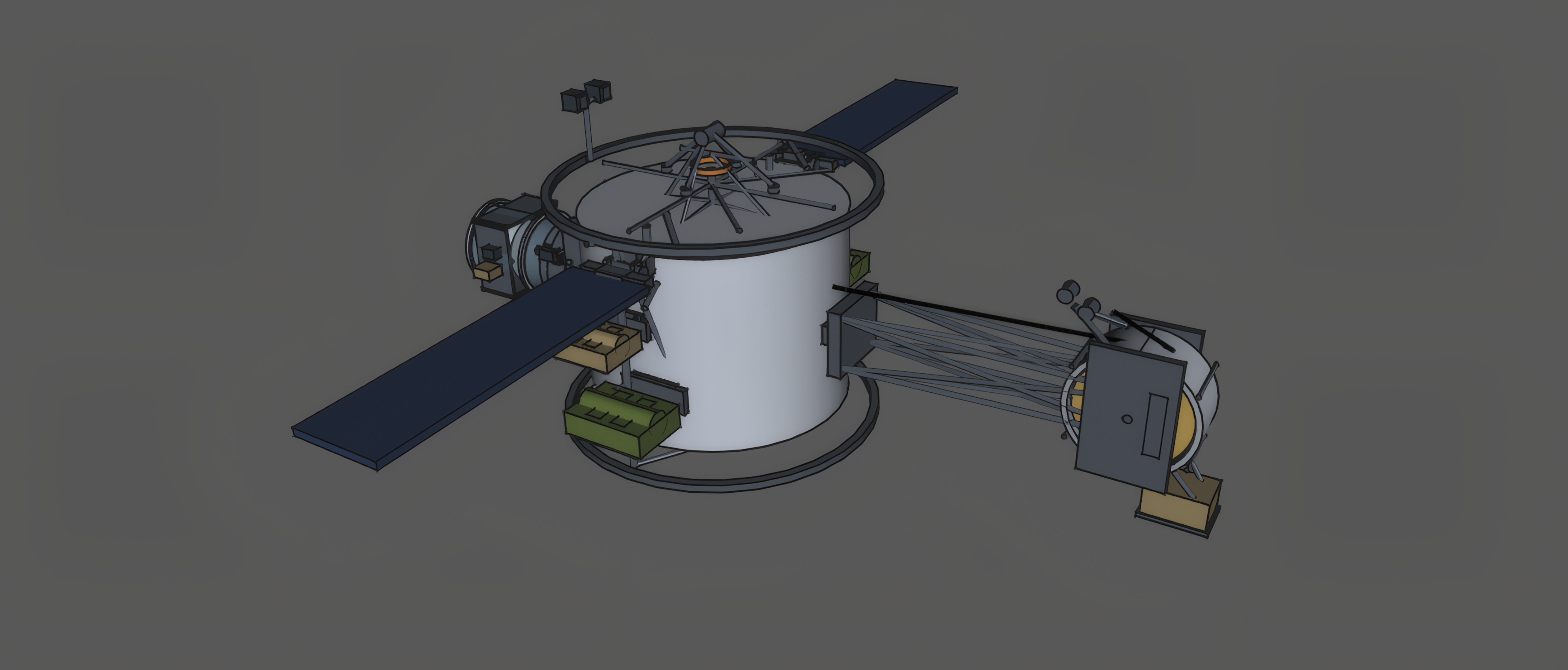
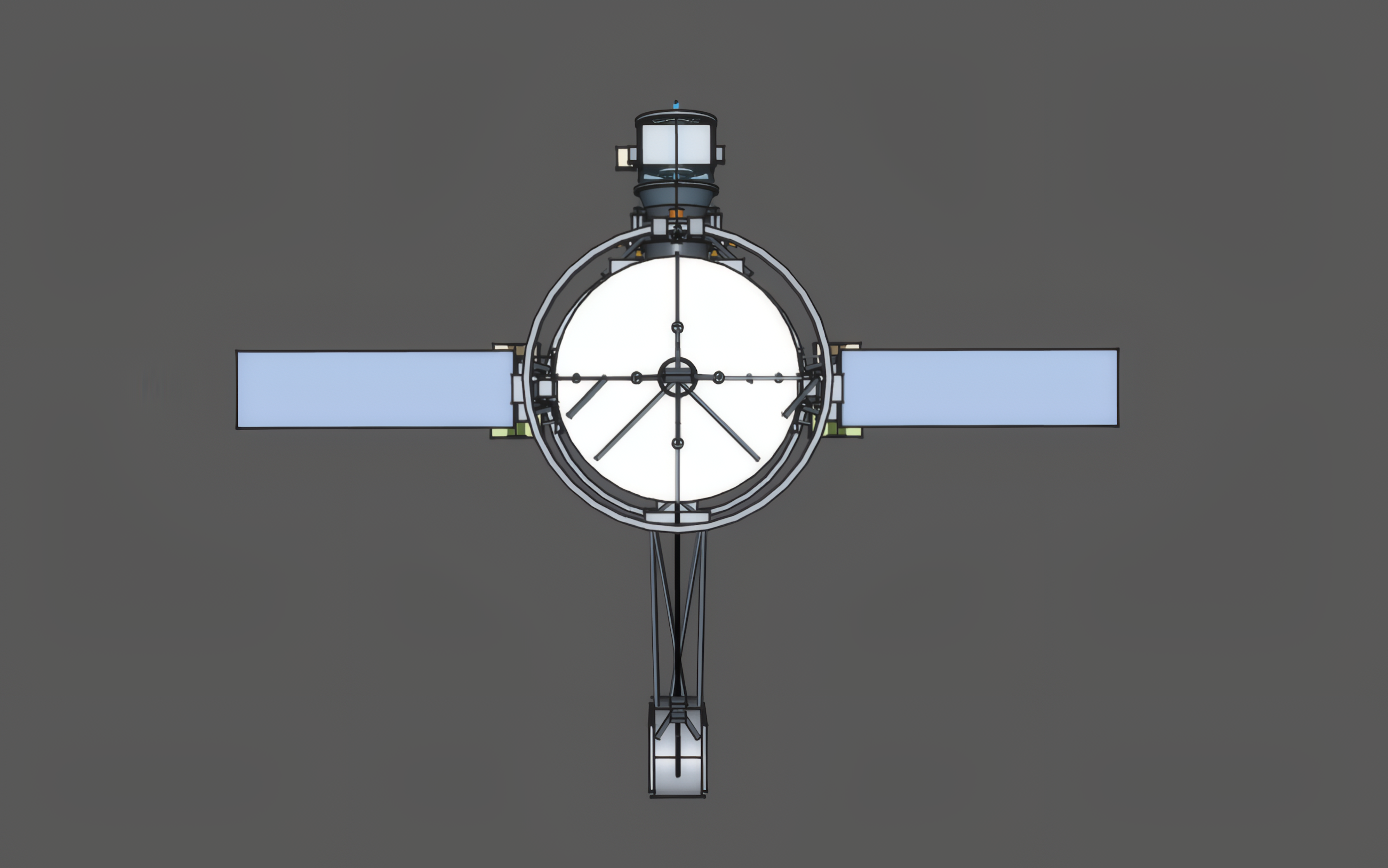
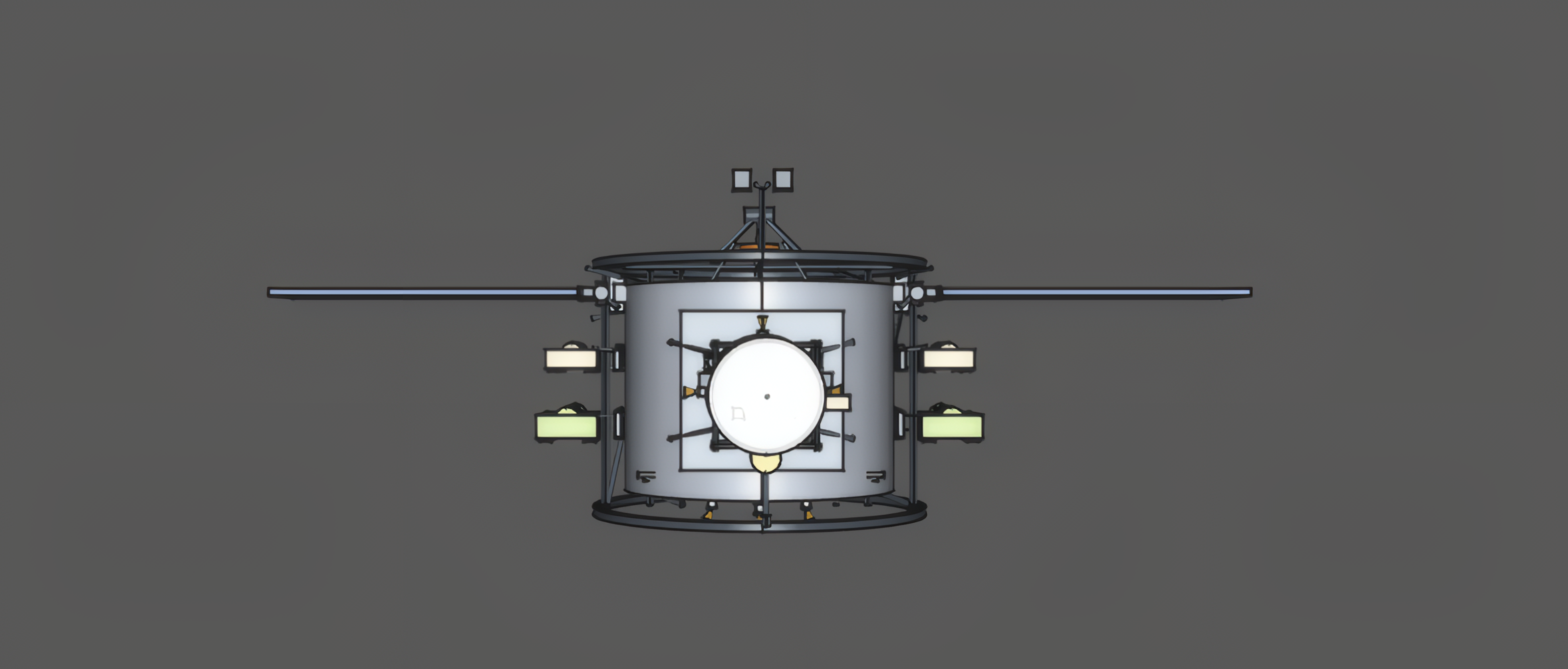
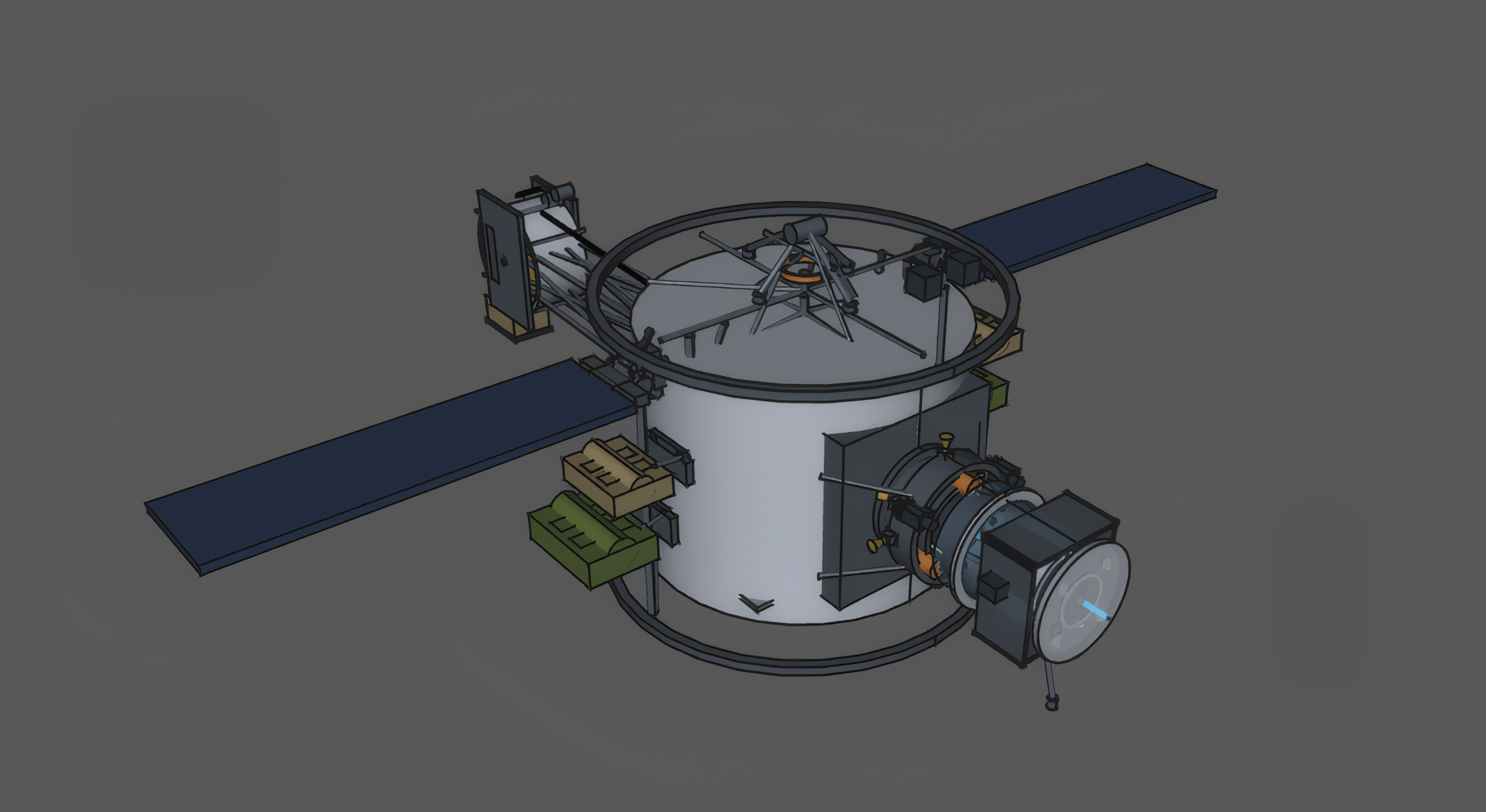
GLIDE is a propellantless transfer system designed around high-level momentum exchange and tether-assisted operations. The public view focuses on mission utility and system logic, not protected implementation detail.
System Summary
Move payloads and supporting hardware through mission phases with a system intended for repeat use, not one-time propulsion expenditure.
Use stored motion in the platform to support transfer events, allowing orbital energy to be managed as part of the architecture instead of solely through onboard propellant.
Apply tether-assisted mechanics at a high level to enable controlled interaction, transfer geometry, and operational flexibility across orbital tasks.
Transfer Logic
The system manages its operating condition before a transfer event so the orbital interaction begins from a controlled baseline.
During the transfer phase, GLIDE uses its architecture to shift momentum between the platform and mission element in a deliberate, bounded way.
The objective is not a single maneuver. It is a repeatable logistics cycle that supports later transfers, staging, and orbital utility over time.
Why Tether Assistance
Transfer propellant drives launch mass, vehicle sizing, and payload margin. A tether-assisted system changes that discussion by making momentum management part of the vehicle architecture.
Less dependence on dedicated transfer propellant can preserve useful mass for the mission itself.
The same logistics platform can support multiple transfer cycles when the mission architecture is designed around continuity.
Operators gain options for staging, hosted payload placement, and orbital support functions that are difficult to sustain with single-use approaches.
Program Fit
Support mission elements that need relocation or insertion support after launch.
Enable infrastructure concepts that depend on movement between operational nodes.
Create a path for integrated hardware packages that benefit from shared logistics support.
Position transfer as a persistent service layer rather than a single mission event.
Renders
Engage